
Understanding India's Income Tax Regimes: Old vs. New
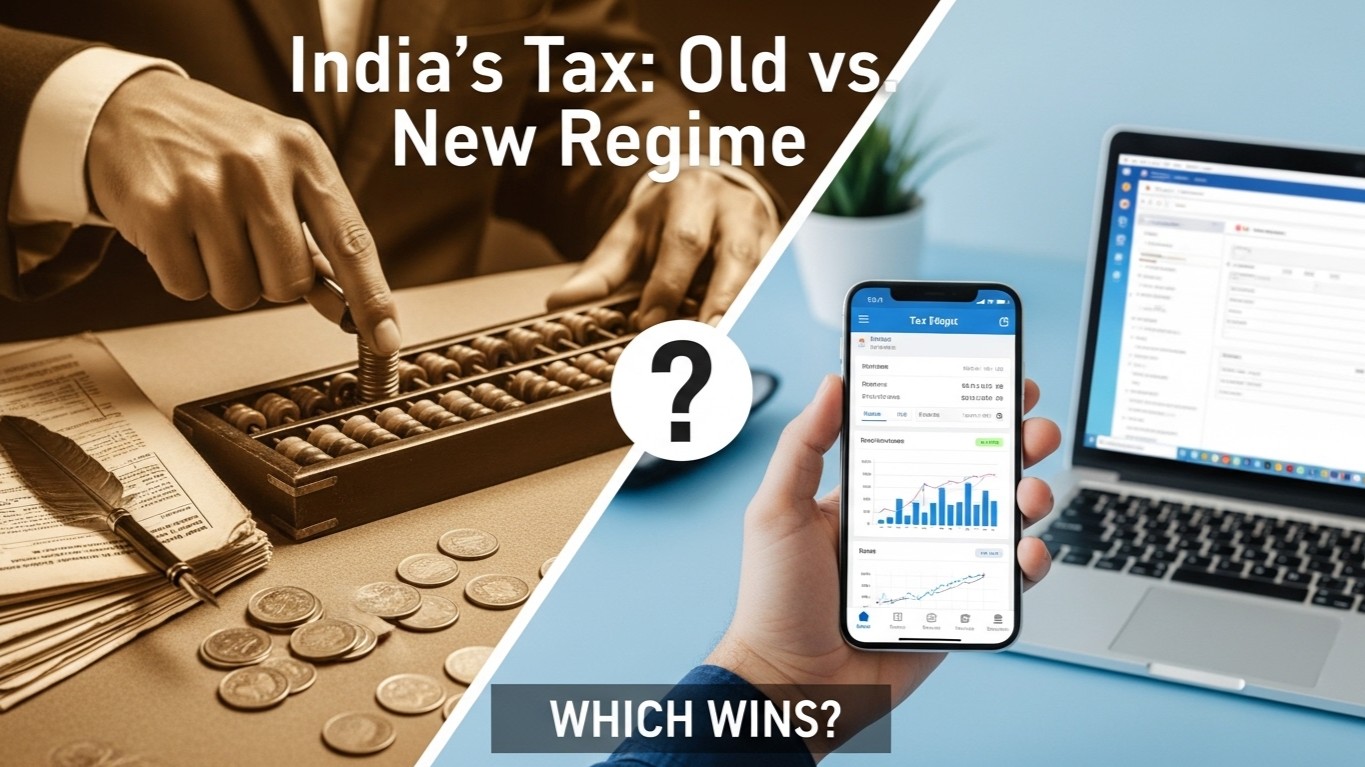
The Indian income tax system presents taxpayers with a vital decision: to stick with the familiar Old Tax Regime or embrace the fairly new New Tax Regime. This choice a lot impacts your tax liability and requires a thorough understanding of the nuances of each regime. This blog post provides a detailed comparison to help you handle this complex field and find out which option is best suited for your individual financial situation.
A Brief Overview
Introduced in the Finance Act of 2020, the New Tax Regime aimed to simplify the tax structure and offer lower tax rates. Even so, this comes at the cost of foregoing most deductions and exemptions that are available under the Old Tax Regime. The Old Tax Regime, at the same time, allows taxpayers to claim different deductions and exemptions, possibly reducing their taxable income despite having higher tax rates.
Detailed Comparison: Old vs. New Tax Regime
Tax Rates
The core difference lies in the tax rates. Let's examine the applicable rates for both regimes for FY 2024-25 (AY 2025-26):
Old Tax Regime Rates (for individuals below 60 years)
- Up to ₹2,50,000: Nil
- ₹2,50,001 – ₹5,00,000: 5%
- ₹5,00,001 – ₹10,00,000: 20%
- Above ₹10,00,000: 30%
New Tax Regime Rates (for all individuals)
- Up to ₹3,00,000: Nil
- ₹3,00,001 – ₹6,00,000: 5%
- ₹6,00,001 – ₹9,00,000: 10%
- ₹9,00,001 – ₹12,00,000: 15%
- ₹12,00,001 – ₹15,00,000: 20%
- Above ₹15,00,000: 30%
You see, Insight: The New Tax Regime offers lower rates, particularly for income slabs between ₹3,00,000 and ₹15,00,000. This can be appealing to those with limited or no deductions to claim.
Deductions and Exemptions
This is where the Old Tax Regime shines. A wide array of deductions and exemptions are available, possibly reducing your taxable income a lot.
Key Deductions under the Old Tax Regime:
- Section 80C: Investments in instruments like EPF, PPF, LIC, NSC, ELSS, etc. (up to ₹1.5 lakh)
- Section 80D: Medical insurance premium paid for self, family. Also, parents.
- Section 80CCD(1B): Contribution to National Pension Scheme (NPS) (up to ₹50,000)
- House Rent Allowance (HRA): Exemption for salaried individuals paying rent.
- Leave Travel Allowance (LTA): Exemption for travel expenses incurred during leave.
- Home Loan Interest: Deduction for interest paid on home loan (up to ₹2 lakh for self-occupied property).
- Standard Deduction: ₹50,000 deduction for salaried individuals.
- Section 80TTA/80TTB: Deduction for interest earned on savings account (₹10,000) or fixed deposits (₹50,000 for senior citizens).
Deductions Allowed under the New Tax Regime (Limited):
- Employer's contribution to NPS (Section 80CCD(2))
- Deduction for transport allowance for differently-abled employees.
Here's the thing: Here's the thing: Insight: If you use a significant portion of these deductions, the Old Tax Regime is likely to be more beneficial. The New Tax Regime severely restricts these deductions, making it less attractive for those with substantial investments and expenses that qualify for deductions.
Which Regime Should You Choose?
Here's the thing: The optimal choice depends entirely on your individual circumstances. Think about the following factors:
1. Income Level:
In fact, Individuals with lower income levels and fewer deductions might find the New Tax Regime more advantageous due to the lower tax rates. As income increases, the impact of deductions becomes more significant.
2. Investment and Expense Patterns:
If you invest heavily in instruments that qualify for Section 80C deductions, pay significant medical insurance premiums (Section 80D), or pay substantial interest on a home loan, the Old Tax Regime is likely to be more beneficial.
3. Salaried vs. Self-Employed:
You see, You see, In fact, Salaried individuals often have access to HRA and LTA exemptions, making the Old Tax Regime more attractive. Self-employed individuals need to carefully evaluate their business expenses and investment patterns to figure out the optimal regime.
4. Simplicity vs. Complexity:
Here's the thing: In fact, So, The New Tax Regime offers simplicity, as it requires less documentation and calculation of deductions. But, this simplicity comes at the cost of possibly higher tax liability if you have significant deductions to claim. The Old Tax Regime requires more effort in gathering documentation and calculating deductions. Even so, it can result in lower all in all tax.
Making the Choice: A Step-by-Step Way
- Calculate your taxable income under both regimes: Start by estimating your gross income. Then, calculate your deductions and exemptions under the Old Tax Regime. Apply the respective tax rates to arrive at your tax liability under each regime.
- Think about all relevant factors: Don't just focus on the tax rates. Factor in your investment patterns, medical expenses, home loan interest payments. Also, other relevant expenses.
- Use online tax calculators: Several online tax calculators are available to help you compare the tax liability under both regimes. These calculators can provide a quick estimate. Still, it's essential to verify the results with your own calculations.
- Consult a tax professional: If you're unsure which regime to choose, consult a qualified tax professional. They can provide personalized advice based on your specific financial situation.
Default Option and Switching Regimes
For salaried individuals, the default option is currently the New Tax Regime. But, they can choose to opt out and select the Old Tax Regime while filing their income tax return. Business professionals have more complex rules for switching, so consulting a tax advisor is key.
The Future of Tax Regimes in India
The Indian tax scene is constantly evolving. The government may introduce further changes to the tax regimes in the future. It's vital to stay informed about these changes and adapt your tax planning accordingly.
Conclusion
Choosing between the Old and New Tax Regimes is a critical financial decision. There's no one-size-fits-all answer. By carefully evaluating your individual circumstances and understanding the nuances of each regime, you can make an informed decision that optimizes your tax liability and contributes to your all in all financial well-being. Remember to stay updated on any changes to the tax laws and seek professional advice when needed.