
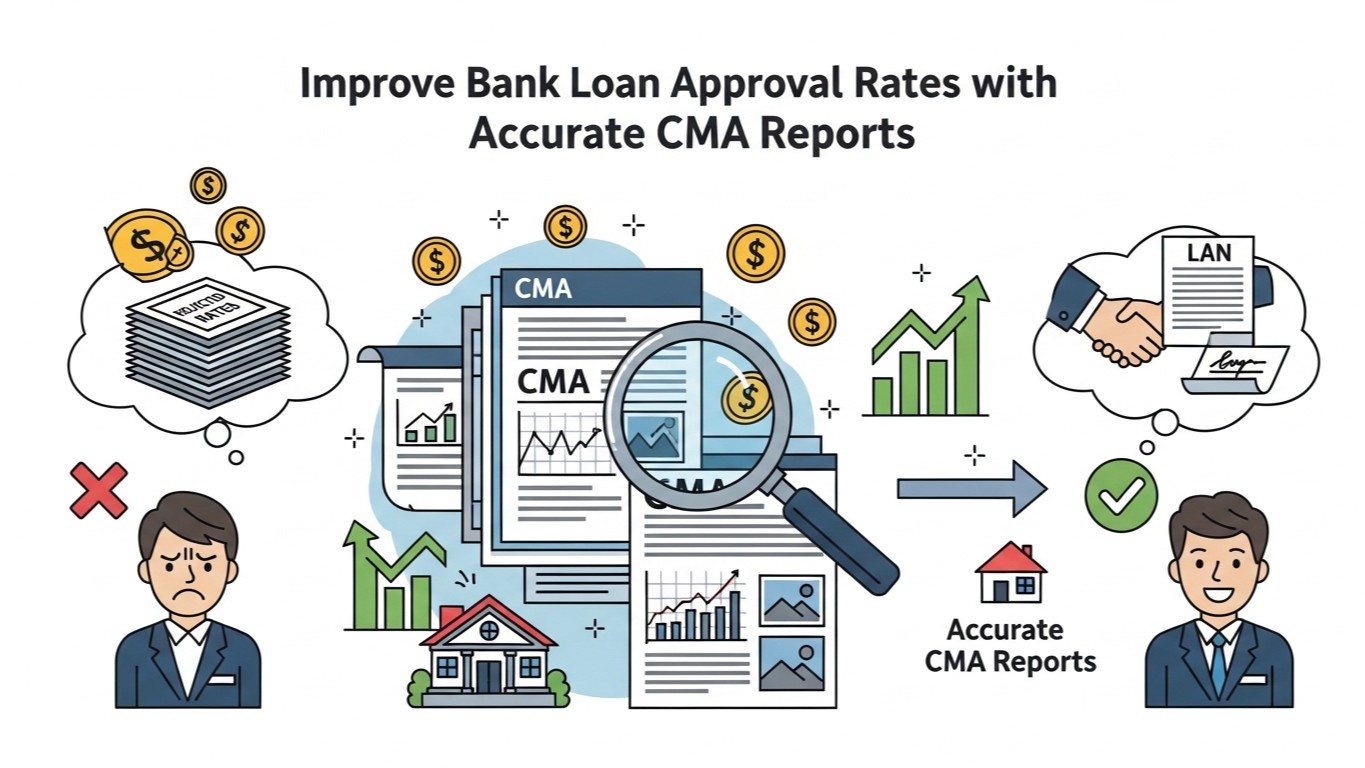

The Power of CMA Data in Securing Bank Loans
Securing a bank loan is a critical step for many businesses looking to grow, expand, or manage their cash flow. While a solid business plan and a strong credit history are essential, the Credit Monitoring Arrangement (CMA) data you provide can be the deciding factor. This post delves into why accurate and well-presented CMA reports are vital for increasing your loan approval chances, offering ideas and practical advice for business professionals and finance enthusiasts alike.
What is a CMA Report?
A CMA report is a full financial document that provides a detailed overview of a company's past, present. Also, projected financial performance. It usually includes:
- Past Performance: Analysis of historical financial statements, including balance sheets, profit and loss statements. Also, cash flow statements.
- Present Position: A snapshot of the current financial health of the company, taking into account assets, liabilities. Also, equity.
- Future Projections: Forecasts of future financial performance, including projected sales, expenses. Also, cash flows. These projections are key for demonstrating the company's ability to repay the loan.
Why Banks Rely on CMA Data
Banks use CMA data to assess the creditworthiness of loan applicants and evaluate the risk associated with lending money. Here's why it's so important:
Thorough Financial Picture
In fact, In fact, The CMA report provides a complete view of the company's financial health, allowing banks to understand the business's strengths, weaknesses, opportunities. Also, threats. It goes beyond basic financial statements by providing in-depth analysis and projections.
Risk Assessment
Here's the thing: You see, Banks use CMA data to assess the risk of default. By analyzing historical financial performance and future projections, they can find out the likelihood that the borrower will be able to repay the loan according to the agreed-upon terms. Key metrics such as debt-to-equity ratio, interest coverage ratio. Also, cash flow projections are closely scrutinized.
Loan Structuring
You see, You see, So, The CMA report helps banks decide the appropriate loan amount, interest rate. Also, repayment schedule. By understanding the company's financial needs and abilities, they can structure a loan that is both beneficial to the borrower and minimizes the bank's risk.
Monitoring Performance
After the loan is approved, banks continue to monitor the borrower's financial performance using CMA data. This allows them to identify potential problems early on and take corrective action if necessary. Regular updates to the CMA report are often required as part of the loan agreement.
Key Components of a Strong CMA Report
Here's the thing: So, To get the most out of your chances of loan approval, your CMA report needs to be accurate, thorough. Also, well-presented. Here are some key components to focus on:
1. Accurate Historical Financial Data
The foundation of any good CMA report is accurate historical financial data. This includes:
- Audited Financial Statements: If possible, provide audited financial statements for the past 3-5 years. Audited statements provide a higher level of assurance to lenders.
- Reconciliations: Make sure that your financial data is reconciled and consistent across all statements. Discrepancies can raise red flags and undermine your credibility.
- Detailed Schedules: Provide detailed schedules for key items such as accounts receivable, accounts payable. Also, inventory. This allows lenders to understand the composition of these balances and assess their quality.
2. Realistic and Well-Supported Projections
Your financial projections are vital for demonstrating your ability to repay the loan. They should be based on realistic assumptions and supported by evidence. Think about these points:
- Sales Projections: Base your sales projections on market research, historical sales data. Also, industry trends. Clearly explain the assumptions underlying your projections.
- Expense Projections: Carefully project your expenses, taking into account both fixed and variable costs. Be realistic about potential cost increases.
- Cash Flow Projections: Prepare detailed cash flow projections that show your ability to generate sufficient cash to meet your debt obligations. Include sensitivity analysis to demonstrate how your cash flows would be affected by changes in key assumptions.
3. Key Financial Ratios and Analysis
Here's the thing: Include key financial ratios and analysis to provide lenders with a quick overview of your financial health. Some important ratios to include are:
- Liquidity Ratios: Current ratio and quick ratio, which measure your ability to meet short-term obligations.
- Solvency Ratios: Debt-to-equity ratio and times interest earned ratio, which measure your ability to meet long-term obligations.
- Profitability Ratios: Gross profit margin, net profit margin, and return on equity, which measure your profitability.
- Activity Ratios: Inventory turnover ratio and accounts receivable turnover ratio, which measure the efficiency of your operations.
Provide a clear explanation of what these ratios mean and how they compare to industry benchmarks. Highlight any positive trends and explain any negative trends.
4. Clear and Concise Presentation
In fact, Your CMA report should be well-organized, easy to read, and visually appealing. Look at these presentation tips:
- Use a Consistent Format: Use a consistent font, heading style. Also, formatting throughout the report.
- Include Charts and Graphs: Use charts and graphs to visually represent key financial data and trends.
- Provide Explanations: Clearly explain all assumptions, calculations, and analysis.
- Proofread Carefully: Proofread the report carefully for any errors or omissions.
Common Pitfalls to Avoid in CMA Reports
Even with the best intentions, businesses can make mistakes when preparing CMA reports. Here are some common pitfalls to avoid:
Overly Optimistic Projections
Avoid making overly optimistic projections that are not supported by evidence. Lenders are more likely to trust realistic projections, even if they are not as high as you would like.
Inaccurate Financial Data
Here's the thing: So, You see, Make sure that your financial data is accurate and reliable. Inaccurate data can undermine your credibility and lead to loan rejection.
Lack of Transparency
Here's the thing: Be transparent about any potential risks or challenges facing your business. Hiding information can damage your relationship with the lender.
Poor Presentation
So, A poorly presented CMA report can be difficult to understand and may not convey the information works well. Take the time to create a clear, concise. Also, visually appealing report.
Conclusion: Investing in Accurate CMA Data Pays Off
Here's the thing: So yeah, a well-prepared CMA report is a powerful tool for securing bank loans. By providing accurate financial data, realistic projections. Also, clear analysis, you can demonstrate your creditworthiness and increase your chances of approval. Investing the time and effort to create a strong CMA report is a worthwhile investment that can pay off in the long run. Remember to consult with a qualified financial professional if you need assistance with preparing your CMA report.