
Understanding Means of Finance: A Complete Overview
Every business, regardless of size or industry, requires capital to operate and grow. Selecting the right means of finance is a critical decision that can a lot impact a company's long-term success. This post explores different funding options, providing understanding into their characteristics, advantages, disadvantages. Also, suitability for different business scenarios.
Bootstrapping: The Self-Funded Method
You see, You see, Bootstrapping refers to financing a business using personal savings, revenue generated from early sales. Also, other internal resources. It's a common method for startups and small businesses with limited access to external funding.
Advantages of Bootstrapping:
- Full Control: You retain complete ownership and control over your business without having to answer to investors or lenders.
- Financial Discipline: Bootstrapping encourages efficient resource management and cost optimization.
- Reduced Risk: You avoid incurring debt or diluting equity, minimizing financial risk.
Disadvantages of Bootstrapping:
- Limited Capital: Growth may be slower due to limited financial resources.
- Personal Risk: You bear the entire financial burden, possibly putting your personal assets at risk.
- Opportunity Cost: You may miss out on growth opportunities due to a lack of funding.
Debt Financing: Borrowing for Growth
Debt financing involves borrowing money from lenders, such as banks or credit unions, with the agreement to repay the principal amount plus interest over a specified period.
Types of Debt Financing:
- Bank Loans: Traditional loans from banks, usually requiring collateral and a strong credit history.
- Lines of Credit: Revolving credit accounts that allow businesses to borrow funds as needed, up to a predetermined limit.
- Small Business Administration (SBA) Loans: Government-backed loans that offer favorable terms and lower interest rates.
- Corporate Bonds: Debt securities issued by companies to raise capital from investors.
Advantages of Debt Financing:
- Retained Ownership: You continue ownership and control of your business.
- Tax Deductibility: Interest payments on debt are usually tax-deductible.
- Predictable Payments: Loan payments are fixed and predictable, making budgeting easier.
Disadvantages of Debt Financing:
- Repayment Obligations: You are legally obligated to repay the debt, regardless of your business's financial performance.
- Interest Expense: Interest payments can in a big way increase the cost of borrowing.
- Collateral Requirements: Lenders often require collateral, which can be at risk if you default on the loan.
Equity Financing: Selling Ownership for Capital
Here's the thing: Equity financing involves selling a portion of your company's ownership to investors in exchange for capital. This can be done through private placements or public offerings.
Types of Equity Financing:
- Angel Investors: High-net-worth individuals who invest in early-stage startups.
- Venture Capital (VC): Firms that invest in high-growth companies with significant potential.
- Private Equity (PE): Investment firms that acquire established companies to improve their operations and increase their value.
- Initial Public Offering (IPO): Offering shares of your company to the public for the first time.
Advantages of Equity Financing:
- No Repayment Obligation: You are not obligated to repay the capital raised.
- Access to Expertise: Investors often provide valuable guidance and mentorship.
- Increased Credibility: Securing equity financing can improve your company's credibility and attract other investors.
Disadvantages of Equity Financing:
- Dilution of Ownership: You give up a portion of your company's ownership and control.
- Investor Expectations: Investors have expectations for returns and may influence your business decisions.
- Complex Process: Raising equity financing can be a complex and time-consuming process.
Grants and Subsidies: Non-Dilutive Funding
Grants and subsidies are forms of financial assistance provided by government agencies, foundations. Also, other organizations to support specific projects or initiatives. This is considered non-dilutive funding, meaning you don't give up equity or take on debt.
Advantages of Grants and Subsidies:
- Non-Repayable: Grants do not need to be repaid.
- Enhanced Credibility: Winning a grant can improve your organization's reputation.
- Support for Specific Projects: Often targeted towards research, development, or community initiatives.
Disadvantages of Grants and Subsidies:
- Highly Competitive: Application processes are rigorous and competition is fierce.
- Stringent Requirements: Grants often come with specific reporting and compliance requirements.
- Limited Availability: Funding is often restricted to certain sectors or project types.
Alternative Financing Options
Beyond the traditional methods, several alternative financing options have emerged lately:
- Crowdfunding: Raising small amounts of money from a large number of people, usually through online platforms.
- Invoice Factoring: Selling your accounts receivable to a third party at a discount to receive immediate cash flow.
- Peer-to-Peer Lending: Borrowing money from individuals or institutions through online platforms.
- Revenue-Based Financing: Receiving funding in exchange for a percentage of future revenue.
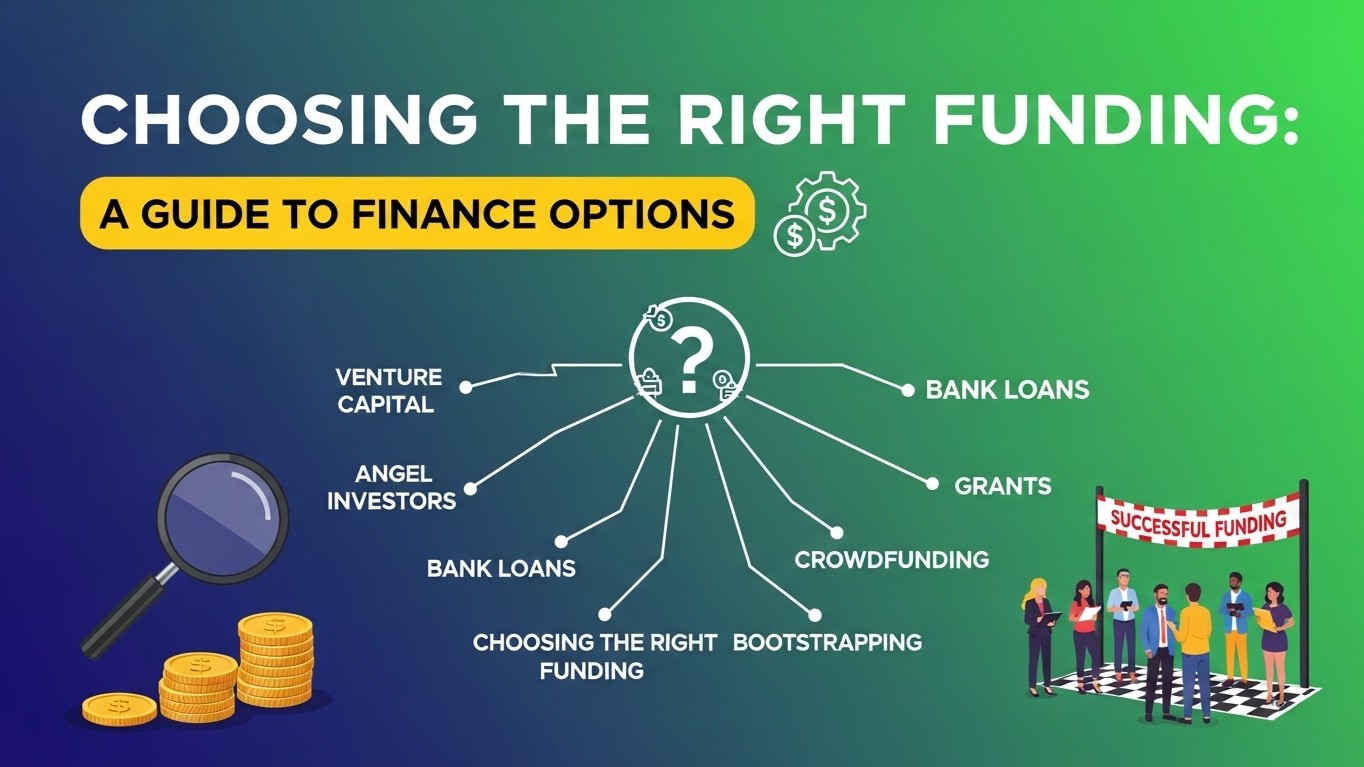
Choosing the Right Funding Option
So, You see, The best means of finance for your business depends on several factors, including your:
- Business Stage: Early-stage startups may rely on bootstrapping or angel investors, while more established companies may pursue debt financing or venture capital.
- Financial Needs: The amount of capital you need will influence your funding options.
- Risk Tolerance: Your willingness to take on debt or dilute equity will impact your choices.
- Growth Strategy: Your growth plans will find out the type of funding that is most appropriate.
Conclusion
So, So, Selecting the right means of finance is a important decision that can in a big way impact your business's success. By carefully evaluating your options and considering your specific needs and circumstances, you can choose the funding strategy that will best support your growth and long-term goals. Remember to consult with financial advisors to make informed decisions and work through the complexities of the financial world.